Blog
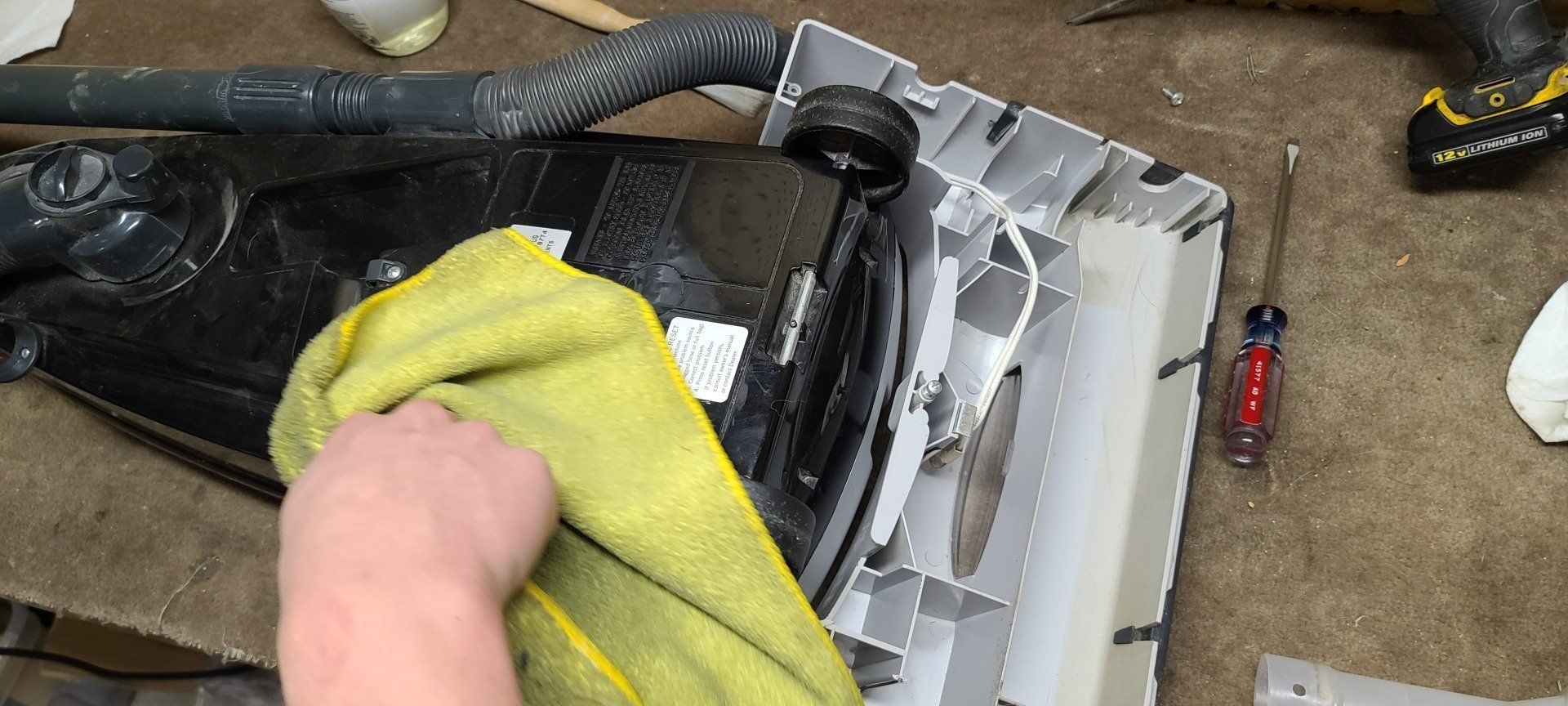
Why Regular Vacuum Maintenance Matters Your vacuum cleaner is one of the hardest-working appliances in your home. It quietly removes dirt, dust, pet hair, and allergens from your floors every day. However, many people don't realize that a vacuum requires regular maintenance to perform at its best. A neglected vacuum can lose suction, wear out prematurely, and even spread dust back into your home. Keep Filters Clean for Maximum Performance Filters play a critical role in trapping fine dust and allergens. Over time, these filters become clogged with dirt and debris, restricting airflow and reducing suction power. Signs your filters may need attention include: - Reduced cleaning performance - Excessive dust escaping from the vacuum - Unusual motor noise - Overheating during use Depending on your vacuum model, filters should be cleaned or replaced according to the manufacturer's recommendations. Keeping filters maintained not only improves cleaning performance but can also extend the life of your machine. Don't Overlook the Belt The vacuum belt is responsible for driving the brush roll that lifts dirt and debris from carpet fibers. As belts age, they can stretch, crack, or wear out, causing the brush roll to spin improperly or stop altogether. A worn belt can result in: - Poor carpet cleaning performance - Burning rubber odors - Excessive wear on the motor - Increased strain on other vacuum components Replacing a worn belt is an inexpensive way to keep your vacuum running efficiently and prevent larger repairs down the road. Regular Service Saves Money Just like your car benefits from routine maintenance, your vacuum cleaner needs periodic service to stay in peak condition. Professional vacuum service includes inspecting belts, filters, brush rolls, motors, hoses, and other components to identify issues before they become costly repairs. Regular maintenance can: - Improve suction and cleaning performance - Extend the life of your vacuum - Reduce costly repair bills - Improve indoor air quality - Keep your vacuum operating safely and efficiently We Service and Sell Quality Vacuums At Husker Sew-Vac, we're committed to helping you get the most from your vacuum investment. Our experienced technicians provide professional vacuum service and repairs for many popular brands and models. If it's time for an upgrade, we also carry a selection of top-quality vacuums designed to deliver superior cleaning performance and long-lasting reliability. Whether you're looking for a vacuum for pet hair, allergies, hard floors, or carpeting, we can help you find the perfect fit for your home. Stop by today to learn more about our vacuum service options or explore our lineup of quality vacuum cleaners. A clean, properly maintained vacuum doesn't just clean better—it helps keep your entire home cleaner and healthier
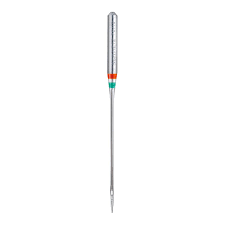
Choosing the right sewing needle might seem like a small detail, but it can make the difference between a smooth, professional finish and a frustrating, thread-breaking mess. Whether you’re quilting, embroidering, or repairing everyday garments, understanding your needle—and knowing when to change it—is one of the simplest ways to improve your results. Why the Right Needle Matters Your sewing needle is the first point of contact between your machine and your fabric. Using the wrong type or size can lead to skipped stitches, puckering, fabric damage, or even machine issues. Different fabrics and threads require different needles because of how they interact with tension, penetration, and stitch formation. For example, lightweight cotton behaves very differently than denim or knit fabric. A needle that glides effortlessly through one may struggle—or even cause damage—with another. Understanding Needle Types Here are a few common needle types and when to use them: Universal Needles: A great all-purpose option for woven fabrics like cotton and polyester blends. If you’re unsure, this is a safe starting point. Ballpoint (Jersey) Needles: Designed for knits. The rounded tip slides between fibers instead of piercing them, preventing runs or holes. Stretch Needles: Ideal for highly elastic fabrics like spandex or performance wear. They help prevent skipped stitches. Denim (Jeans) Needles: Built for thick, tightly woven fabrics. They’re stronger and sharper to handle multiple layers. Embroidery Needles: Made to work with specialty threads, reducing friction and breakage. Quilting Needles: Slightly tapered to handle multiple layers and batting with precision. Choosing the Right Size Needles also come in different sizes, typically ranging from 60/8 (very fine) to 110/18 (very heavy). The general rule: Lighter fabrics → smaller needle (e.g., 70/10 or 80/12) Medium fabrics → mid-size needle (80/12 or 90/14) Heavy fabrics → larger needle (100/16 or 110/18) Using too large a needle can leave visible holes, while too small a needle may bend or break. The Importance of Changing Your Needle Even the best needle doesn’t last forever. In fact, a dull or damaged needle is one of the most common causes of sewing problems. How often should you change it? After every 6–8 hours of sewing At the start of a new project When switching fabric types Immediately if you notice issues (skipped stitches, popping sounds, snagging) Over time, needles become dull, bent, or develop tiny burrs that you can’t always see—but your machine and fabric will definitely feel. Signs It’s Time for a New Needle Watch for these red flags: Skipped stitches Thread breaking or fraying Puckered seams Unusual noises (like popping or clicking) Visible damage to fabric If something feels “off,” swapping the needle is a quick and inexpensive fix that often solves the problem instantly. A Simple Habit with Big Results Keeping fresh, appropriate needles on hand is one of the easiest ways to protect your machine and elevate your sewing. It saves time, reduces frustration, and helps you achieve cleaner, more professional results every time you sit down to sew. If you’re ever unsure which needle is right for your project, don’t hesitate to ask—we’re always happy to help you find the perfect match for your fabric, thread, and machine.

We have 7 reasons why a bagged vacuum is superior. Is Bagged Better? We have 7 Reasons why Vacuums with Bags are Superior 1. Better Filtration Bagged vacuums often have superior filtration systems because the dust and debris are contained within the bag, preventing them from escaping back into the air. This can be particularly beneficial for people with allergies or asthma. 2. Hygienic Bagged vacuums are generally more hygienic because the dust and debris are sealed within the bag. When it's time to empty the vacuum, you simply remove the bag and dispose of it without the risk of dust clouds or spills. 3. Convenience While emptying a bagless vacuum can be messy and sometimes require additional cleaning of filters and dust compartments, bagged vacuums are typically easier to maintain. You just need to replace the bag when it's full or when you experience reduced suction. 4. Less Exposure to Dust With bagged vacuums, there's less direct contact with the dust and debris when emptying compared to bagless models. This can be beneficial for those who are sensitive to dust or who have respiratory issues. 5. Longer Lifespan for Filters Bagged vacuums often have longer lasting filters because they are not exposed to as much dust and debris as in bagless vacuums. This can result in fewer filter replacements and lower maintenance costs over time. 6. No Loss of Suction Bagged vacuums typically maintain consistent suction power throughout use since there's no risk of clogging or decreased airflow due to a filled dust compartment or filter. 7. Reduced Allergen Exposure Bagged vacuums can be particularly effective at trapping allergens like pollen, pet dander, and dust mites, reducing the overall allergen exposure in your home. While bagged vacuums may require purchasing replacement bags, many users find the benefits in terms of cleanliness, convenience, and air quality worth the investment.